 简体中文
简体中文 English
Product Details
Core Functions
Wavelength and Color Temperature:
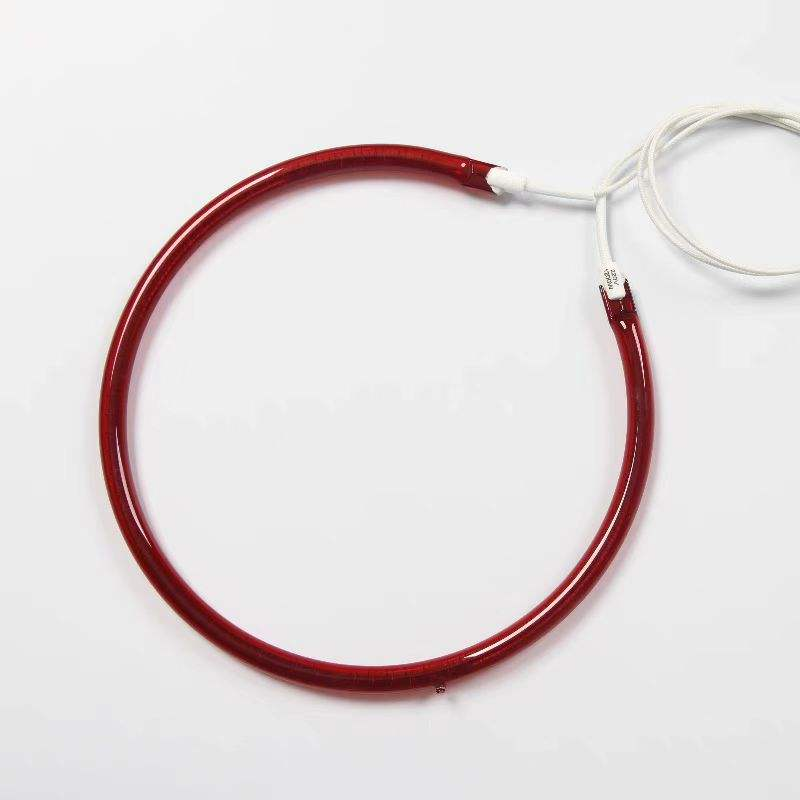
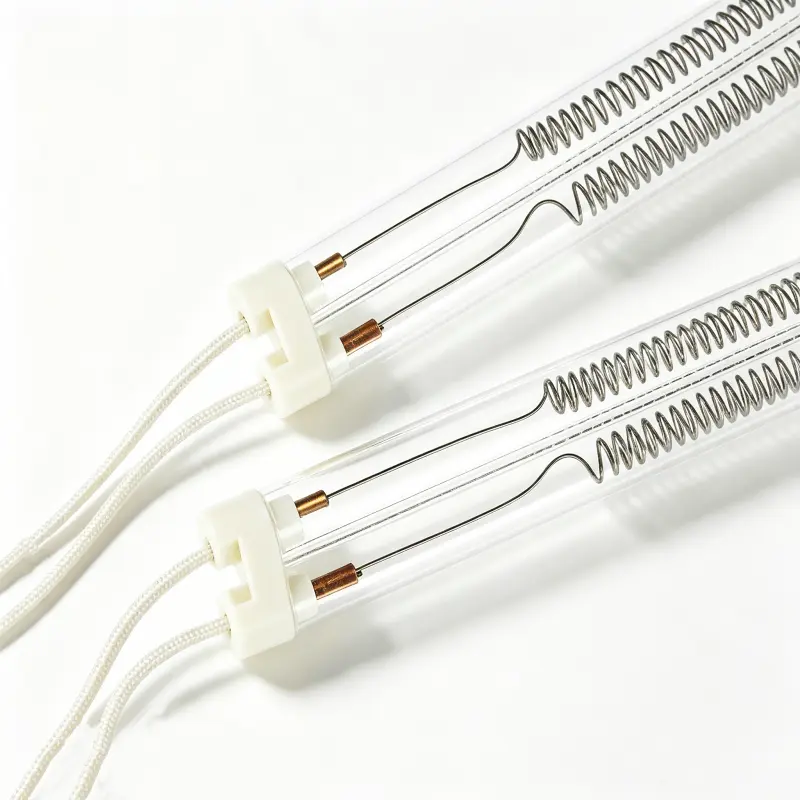
Short-wave infrared: 0.8–1.3 μm, 2200K–3200K. Short-wave infrared has strong penetration capability and can act directly on the surface of the workpiece, enabling rapid heating, with a startup time of only 1–2 seconds. Its low thermal inertia allows for more responsive and precise temperature adjustment.
Target Customers
Metal materials, such as copper and aluminum substrates, have an absorption rate of more than 85% for short-wave infrared, significantly improving thermal energy utilization and effectively reducing unnecessary heat loss.
The application of halogen short-wave infrared technology in vacuum eutectic bonding furnaces not only improves the IGBT welding process but also provides new solutions for other high-precision heating requirements in the field of electronic packaging.
With its characteristics of high efficiency, precision, and stability, this technology has broad application prospects in fields such as new energy vehicles, photovoltaic inverters, and industrial motor drives.
Core Pain Points Solved
The wavelength is between short-wave and medium-wave infrared, combining rapid heating and fast startup response. It is suitable for vertical heating applications where the heating filament needs to maintain its shape and resist deformation or sagging.
Pain Point: High Heat Load vs. Limited Installation Space
Many industrial applications require extremely high amounts of heat to be delivered within limited equipment space. Traditional heating elements are relatively large and have limited power capacity, making it difficult to achieve the energy intensity required by the process.
Solution:
The technology can significantly increase the installed power within a certain range, providing high-energy, high-density radiation and delivering powerful heat within a compact space to meet high-intensity thermal processing requirements such as high-speed drying and curing.
The 1.4–2.0 μm wavelength range is particularly suitable for efficiently penetrating and providing deep radiant heating to materials requiring high energy density and high heat input, helping ensure more uniform heating from the inside to the outside.
Quantifiable Customer Value
1. Significant Reduction in Production Time and Time Costs
Facts and Data:
Second-Level Thermal Response:
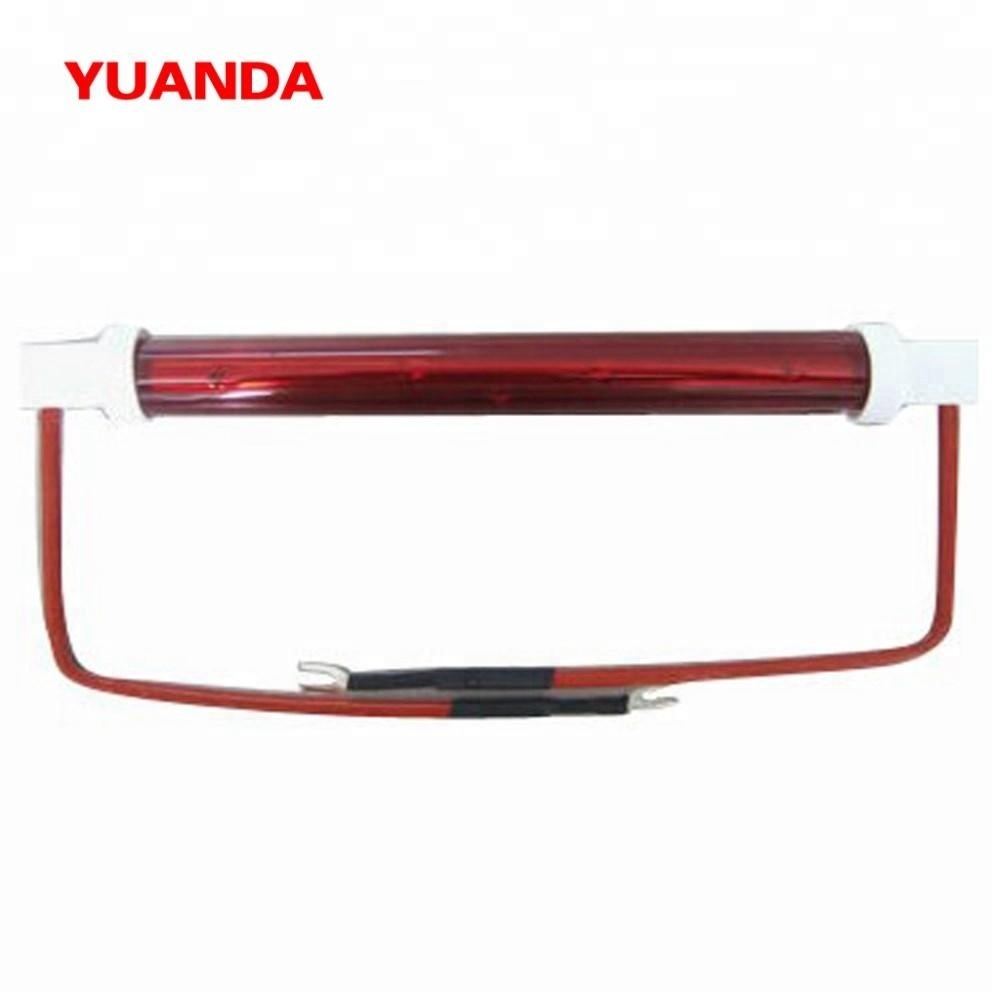
Compared with traditional silicon carbide or ceramic heating elements, which typically require several minutes of preheating, fast medium-wave infrared tubes can generally reach peak power within 1–3 seconds during a cold start.
Reduced Standby Energy Consumption and Waiting Time:
In automated intermittent production lines, the instant-on/instant-off capability can reduce standby preheating energy consumption by approximately 30%–50% and shorten changeover and commissioning time by more than 50%.
2. Increased Space Utilization and Energy Density
Facts and Data:
High Radiant Flux:
With a high color temperature of 1500–2200 K, the radiant power density per unit area is significantly increased, enabling the same or even higher heat output to be achieved within a shorter furnace length.
Reduced Equipment Size:
For the same drying/curing capacity, tunnel furnaces or ovens using a high-power-density fast medium-wave design can reduce the overall equipment footprint by approximately 20%–40%, directly saving valuable floor space in the workshop.
3. Dual Benefits of Improved Yield and Optimized Energy Consumption
Facts and Data:
Precise Spectral Matching:
The wavelength range closely matches the absorption spectrum peaks of water-based coatings, solvent-based coatings, plastic films, and specific industrial substrates, with photo-thermal conversion efficiency typically reaching more than 85%.
Reduced Defect Rate:
By avoiding over-burning or incomplete curing caused by the thermal inertia of traditional heating methods, the defect rate in processes such as coating curing and printing drying** can be reduced by approximately 15%–30%.